Heart Health: Managing Cholesterol Levels & Cardiovascular Risks
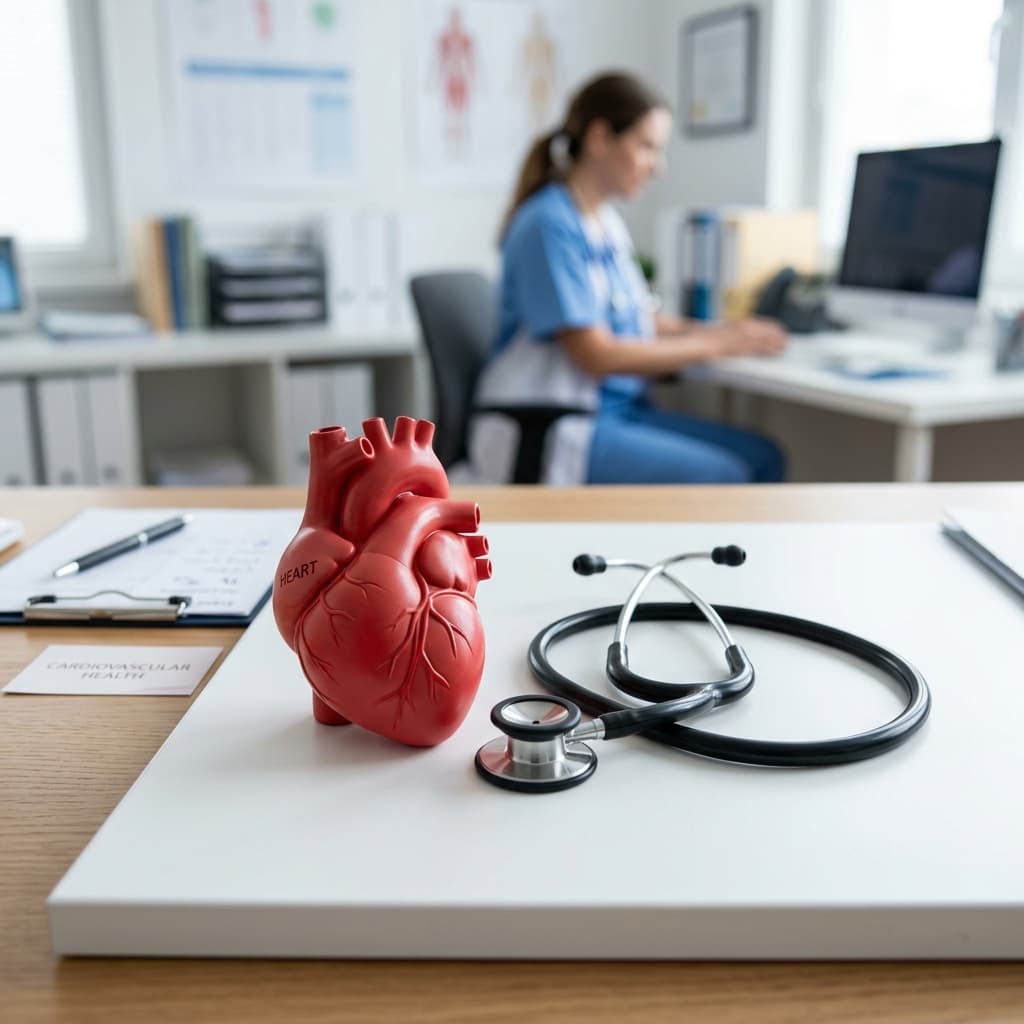
High cholesterol is a hidden risk factor for heart attacks. Understand LDL, HDL, and how dietary fats affect cardiovascular arteries.
Cholesterol is a waxy substance produced naturally by the liver and also obtained from certain foods in our diet. While it is essential for building healthy cell membranes and producing hormones, excess cholesterol can build up inside your arteries. Over time, these deposits can harden into plaque (atherosclerosis), narrowing the arteries and increasing the risk of cardiovascular events like heart attacks or strokes.
Understanding Your Lipid Panel
When you have a cholesterol test, the results show several different markers. Understanding what these numbers mean is key to managing your cardiovascular health:
| Lipid Marker | Target Range (mmol/L) | Cardiovascular Role | Action Plan |
|---|---|---|---|
| LDL Cholesterol | < 3.0 mmol/L | Carries cholesterol to the cells. Excess LDL can build up in arterial walls. | Reduce intake of saturated and trans fats. |
| HDL Cholesterol | > 1.0 mmol/L | Helps transport excess cholesterol back to the liver to be cleared. | Increase physical activity and choose healthy fats. |
| Total Cholesterol | < 5.0 mmol/L | The total amount of cholesterol circulating in your blood. | Monitor regularly alongside lifestyle adjustments. |
Practical Tips for Managing Cholesterol
For many people, cholesterol levels can be managed effectively through lifestyle and dietary changes:
- Choose Healthy Fats: Replace saturated fats (found in fatty meats, butter, and processed foods) with unsaturated fats (found in olive oil, avocados, nuts, and seeds).
- Increase Soluble Fiber: Foods like oats, barley, beans, and lentils contain soluble fiber, which helps reduce the absorption of cholesterol into your bloodstream.
- Stay Active: Regular exercise, such as brisk walking or cycling, can help raise your HDL (healthy) cholesterol and support overall cardiovascular health.
When Medication is Recommended
If lifestyle changes alone do not lower your cholesterol levels sufficiently, or if you have other cardiovascular risk factors, your GP may recommend prescription medication, such as statins. Statins work by reducing the amount of cholesterol produced by the liver, helping to lower LDL levels and protect your cardiovascular system.
If you have questions about your cholesterol levels or would like advice on heart-healthy habits, speak to our clinical team at your local Wise Pharmacy branch.