
Managing Type 2 Diabetes: Blood Glucose Control & Lifestyle Tips
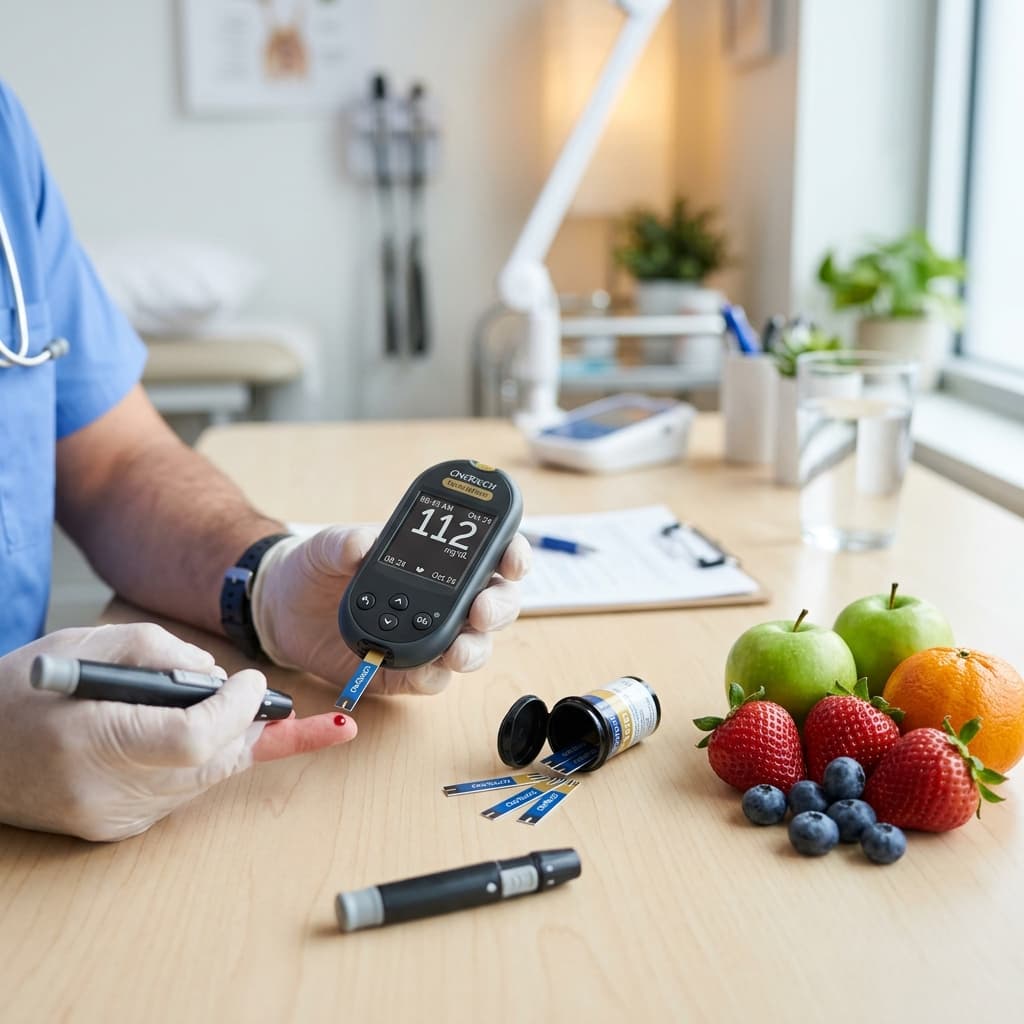
Living with Type 2 Diabetes requires structured blood glucose tracking and nutrition. Explore clinical guidelines to manage your HbA1c levels effectively.
Type 2 Diabetes is a progressive metabolic condition characterized by insulin resistance, where the body's cells do not respond effectively to insulin. This results in glucose building up in the bloodstream rather than being utilized for cellular energy. Over time, chronic hyperglycemia (high blood sugar) damages the blood vessels, leading to cardiovascular and nervous system complications. Managing the condition effectively requires active blood glucose tracking, balanced nutrition, and lifestyle modifications.
The Significance of HbA1c Levels
While daily finger-prick blood tests show your current glucose levels, the **HbA1c test** measures the amount of glucose attached to your red blood cells. Because red blood cells live for about 3 months, this test provides a reliable picture of your average blood sugar control over that period. The table below outlines how clinicians interpret these values:
| HbA1c Value (%) | HbA1c Value (mmol/mol) | Clinical Status | General Action Plan |
|---|---|---|---|
| < 6.0% | < 42 mmol/mol | Normal Health | Maintain active lifestyle habits and balanced nutrition. |
| 6.0% - 6.4% | 42 - 47 mmol/mol | Pre-diabetes | Increase dietary fiber, reduce processed sugar, and exercise. |
| ≥ 6.5% | ≥ 48 mmol/mol | Diagnosed Diabetes | Introduce medication management (Metformin) and monitor glucose. |
Long-Term Health Risks
Uncontrolled blood sugar places significant strain on the body, increasing the risk of several long-term health conditions:
- Diabetic Neuropathy: Nerve damage, particularly in the feet and lower limbs, which can lead to unnoticed injuries, ulcers, and infections.
- Retinopathy: Damage to the blood vessels in the retina, potentially causing vision impairment or blindness.
- Microvascular and Macrovascular Disease: Increased risk of stroke, heart disease, and peripheral arterial disease.
Key Steps for Effective Management
Lifestyle changes form the foundation of diabetes care, helping to improve insulin sensitivity and support blood glucose control:
- Manage Carbohydrate Intake: Focus on complex carbohydrates (whole grains, oats, pulses, and vegetables) that are rich in fiber and release glucose slowly, preventing sharp spikes.
- Regular Foot Care: Check your feet daily for cuts, blisters, or dry skin, and schedule annual reviews with a podiatrist.
- Schedule Regular Medication Reviews: Meet with your pharmacist to check your medication plan, ensure correct dosages, and manage any side effects.
Our pharmacists at Wise Pharmacy are always available to help you select blood glucose monitors, review repeat prescriptions, and offer guidance on managing your lifestyle.