Understanding High Blood Pressure: Symptoms, Causes, and Prevention
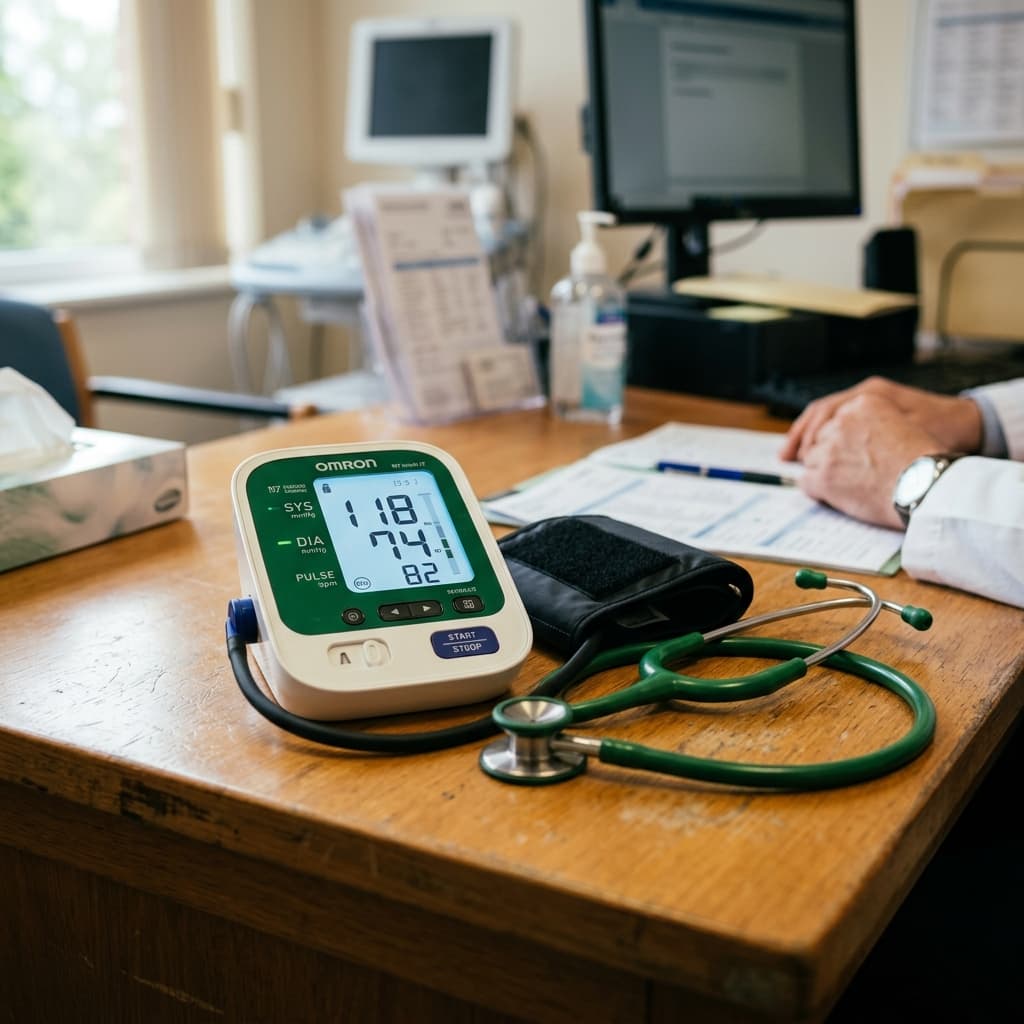
High blood pressure, or hypertension, is often called a silent killer. Learn why monitoring your pressure is key and how simple habits can protect your heart.
High blood pressure, clinically referred to as hypertension, is one of the most common chronic conditions affecting adults across the United Kingdom. According to NHS records, more than 1 in 4 adults in England suffer from hypertension, though a significant proportion remain completely undiagnosed. This has earned it the reputation of a "silent killer" a condition that silently damages your blood vessels and vital organs for years without producing any obvious physical symptoms.
The Physiology of Blood Pressure
Your heart acts as a central pump, distributing oxygenated blood to every tissue through an intricate network of arteries and capillaries. Blood pressure is the physical force exerted by this circulating blood against the vascular walls. If your arteries become narrowed due to fatty plaque deposits, or if their elastic walls lose flexibility due to aging and lifestyle stress, your heart has to exert significantly more force to circulate blood. This elevated physical pressure creates microscopic tears in the delicate inner lining of the arteries (the endothelium), initiating an inflammatory response that further accelerates plaque buildup.
Vascular Classification Reference Table
To help you track your readings, clinicians use specific ranges to classify blood pressure. Measurements are recorded in millimeters of mercury (mmHg) and consist of a Systolic reading (pressure during a heartbeat) over a Diastolic reading (pressure when the heart rests between beats):
| Health Category | Systolic (mmHg) | Diastolic (mmHg) | Clinical Action & Recommended Steps |
|---|---|---|---|
| Optimal Range | < 120 | < 80 | Maintain active lifestyle habits, balanced nutrition, and review annually. |
| Pre-Hypertension | 120 - 139 | 80 - 89 | Check weekly at home. Restrict salt intake and schedule a consultation. |
| Stage 1 Hypertension | 140 - 159 | 90 - 99 | Requires clinical evaluation. Lifestyle modifications over 3 months or medication. |
| Stage 2 Hypertension | ≥ 160 | ≥ 100 | Immediate clinical consultation required. Prescription medication therapy indicated. |
Long-term Cardiovascular Risks
Allowing high blood pressure to remain uncontrolled is a primary driver of vascular degradation. It significantly increases the long-term risk of the following life-limiting conditions:
- Strokes and Transient Ischaemic Attacks (TIAs): Elevated pressure can cause weakened blood vessels in the brain to rupture, or lead to clots that block crucial blood flow.
- Myocardial Infarction (Heart Attack): The coronary arteries supplying blood to the heart muscle become narrowed and hardened, starving the tissue of oxygen.
- Chronic Kidney Disease (CKD): The tiny capillaries inside the kidneys' filtration units become damaged, impairing the body's ability to filter waste.
Professional Advice for Preventative Care
Managing blood pressure is highly achievable through a structured approach to diet, exercise, and stress management. Our pharmacy team recommends focusing on three main areas:
- Adopt the DASH Eating Plan: Focus on potassium-rich foods (bananas, avocados, sweet potatoes) and limit sodium to under 1.5 grams daily to reduce fluid retention.
- Incorporate Regular Cardiorespiratory Exercise: Aim for at least 150 minutes of moderate-intensity activity (like cycling or brisk walking) per week to maintain arterial elasticity.
- Limit Alcohol & Cease Smoking: Nicotine causes immediate, acute arterial constriction while raising your baseline heart rate, placing additional strain on blood vessels.
At Wise Pharmacy, we provide a free NHS Blood Pressure Checking Service. Our clinical pharmacists can check your blood pressure, offer detailed analysis, and coordinate with your GP surgery if medication is required.